
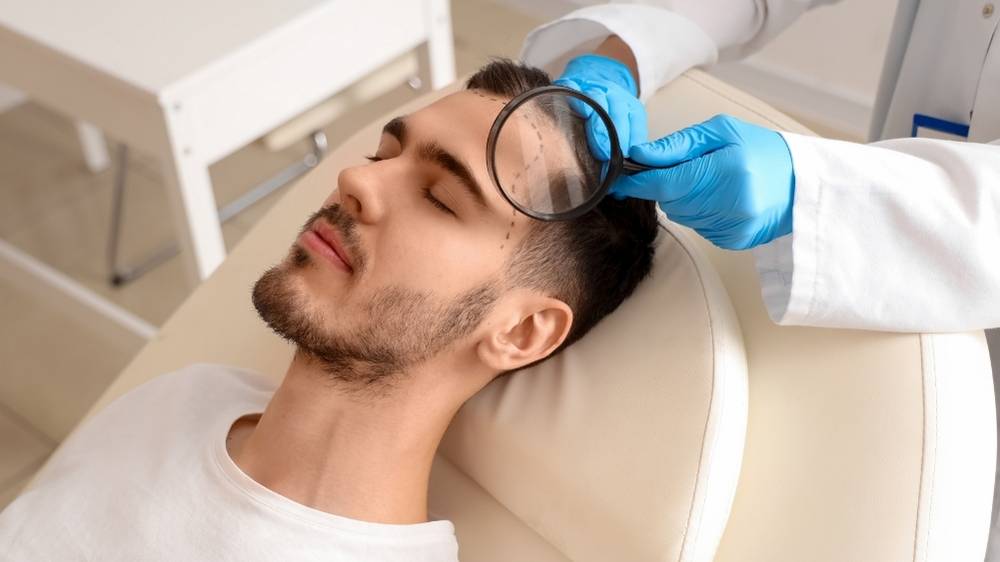
Hair loss is something that affects millions of us, and while some people embrace the change, many others find it a significant blow to their self-confidence. If you have spent any time looking in the mirror and wishing your hairline was back where it used to be, you are certainly not alone. In recent years, the conversation around hair restoration has shifted from something whispered about in secret to a mainstream solution that people are openly discussing. When considering your options, looking for a hair transplant scotland is often the first step towards regaining that lost confidence without having to travel thousands of miles.
Choosing to undergo a surgical procedure is a big decision. It involves financial investment, physical recovery, and the emotional weight of hoping for a successful outcome. Scotland has become a hub for medical excellence in this field, offering world-class facilities and highly skilled surgeons who specialise in modern hair restoration techniques. Staying close to home for such a procedure offers several practical advantages that often outweigh the perceived cost savings of going abroad. From the initial consultation to the vital aftercare appointments, having your surgeon within driving distance provides a level of security and peace of mind that is hard to replicate elsewhere.
Understanding the different techniques available to you
When you start researching a hair transplant Scotland, you will quickly encounter two main acronyms: FUE and FUT. Both are effective methods of moving hair from an area of high density (usually the back and sides of the head) to the thinning or balding areas, but they differ significantly in how the hair is harvested.
Follicular Unit Extraction (FUE)
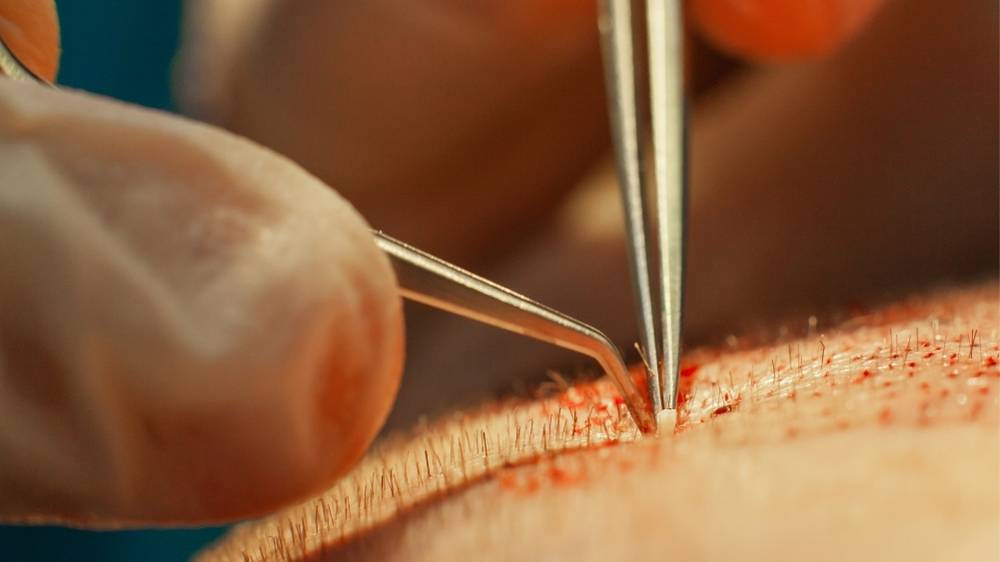
FUE is currently the most popular method for many patients. It involves extracting individual hair follicles one by one using a specialised micro-punch tool. Because the follicles are taken individually, it does not leave a linear scar. This makes it an excellent choice for men who prefer to keep their hair short. The benefits of FUE include:
- Minimal downtime and a faster return to daily activities.
- No visible linear scarring, allowing for shorter hairstyles.
- A less invasive feel during the post-operative recovery period.
- Natural-looking results when performed by an experienced surgeon.
Follicular Unit Transplantation (FUT)
Often referred to as the ‘strip’ method, FUT involves removing a small strip of skin from the donor area. The follicles are then carefully dissected under a microscope and transplanted into the recipient site. While this does leave a fine linear scar, it is often preferred for patients who require a large number of grafts in a single session. It can also be more cost-effective and is easily hidden if you plan to keep your hair at a medium to long length.
What you should look for when picking a clinic
Not all clinics are created equal, and when it comes to your appearance, you really don’t want to cut corners. If you are looking for a hair transplant Scotland, you need to ensure the clinic meets high standards of safety and professionalism. In the UK, clinics must be registered with the Care Inspectorate in Scotland or the Care Quality Commission (CQC) in England. This ensures that the facility adheres to strict health and safety regulations.
Beyond the legal requirements, you should look for a surgeon who is a member of recognised professional bodies, such as the International Society of Hair Restoration Surgery (ISHRS). A good surgeon will be transparent about their experience, show you a portfolio of their previous work, and be honest about what can realistically be achieved. It is always worth checking if the person you meet during the consultation is actually the person who will be performing the surgery.
When evaluating a clinic, consider the following:
- Do they provide clear, upfront pricing without hidden extras?
- Are they willing to show you genuine before-and-after photos of their own patients?
- Do they have a robust aftercare programme in place?
- Do you feel comfortable and unhurried during your initial meeting?
The importance of the initial consultation
A reputable hair transplant Scotland provider will always insist on a thorough consultation before any surgery is booked. This isn’t just a sales pitch; it is a vital medical assessment. During this meeting, the surgeon will examine your scalp, assess the quality of your donor hair, and determine the cause of your hair loss. Not everyone is a suitable candidate for a transplant. For example, if your hair loss is still in the early, active stages, the surgeon might recommend medical treatments first to stabilise the loss before considering surgery.
This is also your chance to ask the difficult questions. You should feel empowered to ask about the surgeon’s complication rates, what happens if you aren’t happy with the results, and exactly how many grafts they believe you need. A trustworthy professional will manage your expectations rather than promising you the hair of a teenager. They should explain that a transplant is about redistribution, not the creation of new hair, and that the density achieved will depend on the resources available in your donor area.
Managing your expectations and the recovery period
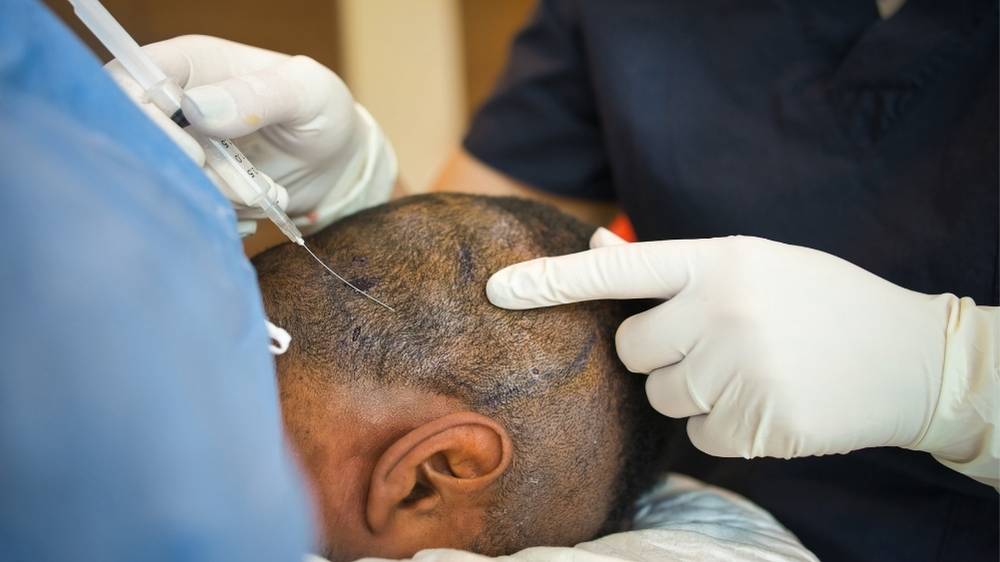
It is important to realise that a hair transplant is a journey, not an instant fix. After the procedure, there is a specific timeline that most patients follow. In the first few days, you might experience some swelling and redness, and tiny scabs will form around the transplanted grafts. These usually fall off within ten days to two weeks. One of the most surprising parts of the process for many is the ‘shedding’ phase, where the newly transplanted hairs fall out a few weeks after the surgery. This is completely normal and is simply the follicle entering a resting phase before new, permanent hair begins to grow.
You will typically start to see the first signs of new growth around the three-to-four-month mark, but the full results won’t be visible for twelve to eighteen months. This is why having a local clinic for your hair transplant Scotland is so beneficial. If you have concerns during the six-month mark or if you want someone to check on the progress of your growth, you can easily pop back into the clinic for a face-to-face review. This ongoing relationship between patient and surgeon is often the key to a successful and stress-free transformation.
To ensure the best possible results during your recovery, you will usually be advised to:
- Avoid strenuous exercise for at least two weeks to prevent pressure on the grafts.
- Sleep with your head slightly elevated for the first few nights to reduce swelling.
- Follow the specific washing instructions provided by your clinic to keep the area clean.

Marshall is a film critic and documentary researcher who explores the art of non-fiction storytelling, focusing on impactful narratives and cinematography.